
When buying a home, a thorough inspection is a crucial step in ensuring that your investment is sound. A home inspection can reveal potential issues that might not be evident during a casual walk-through. Understanding the common red flags can save you from costly surprises down the road.
Structural Concerns
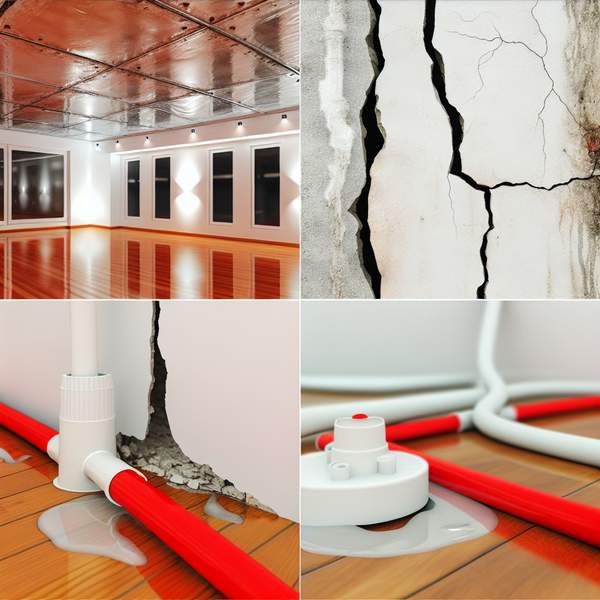
The integrity of a home’s structure is paramount. Look for signs of foundation problems, such as cracks in the walls or floors, doors and windows that stick, or uneven floors. These issues could indicate a shifting foundation, which can be expensive to repair.
Roofing Issues
The roof is one of the most vital components of a home, protecting it from the elements. During an inspection, pay attention to:
- Missing, cracked, or curled shingles
- Signs of water damage or leaks in the attic
- Sagging roof areas
These indicators could mean that the roof is nearing the end of its lifespan, which could require significant investment to replace.
Electrical System Problems
A safe and functional electrical system is crucial for any home. Be on the lookout for:
- Outdated wiring, such as knob-and-tube or aluminum wiring
- Overloaded electrical panels
- Non-GFCI protected outlets in wet areas
Electrical issues not only pose a risk of failure but can also be a safety hazard, increasing the risk of fire.
Practical Tips for Homebuyers
- Hire a qualified home inspector: Ensure your inspector is certified and has a good reputation.
- Attend the inspection: This allows you to ask questions and get immediate feedback.
- Get a second opinion: If significant issues are found, consider consulting a specialist for a more detailed assessment.
Being proactive in identifying potential red flags during a home inspection can save you from future headaches and financial burdens. By understanding the common warning signs and taking appropriate action, you can make a more informed decision when purchasing a home.